Founded on Deep Conviction in 1892
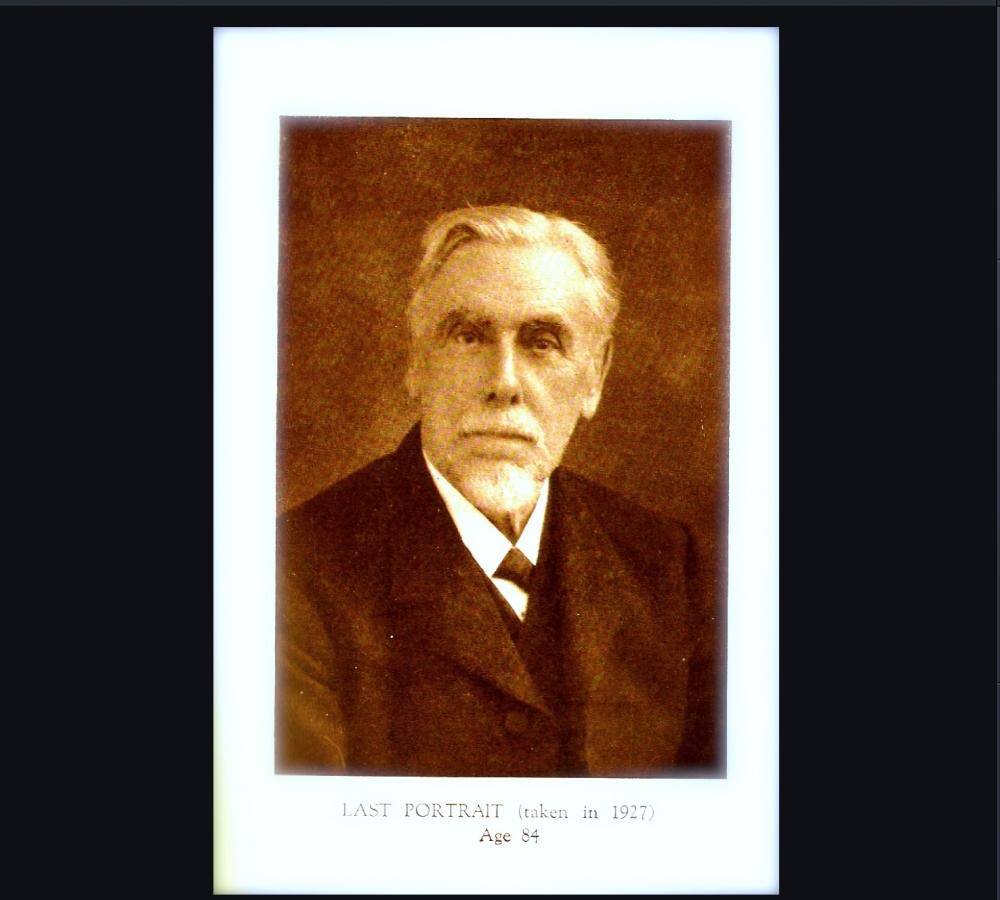
Lansdowne Evangelical Free Church began in 1892, when William Fuller Gooch resigned from the pastorate of a nearby church because of a strong personal conviction. He was grieved that divisions between denominations damaged the unity of Christ's Church and blunted its witness to revealed Truth. In his view, the familiar motto — unity in essentials, liberty in non-essentials, charity in all things — should be lived out, not just admired. Like Spurgeon, he concluded that starting yet another denomination would achieve nothing, since the same problems would simply reappear; instead, self-governing congregations can find their own affinities and guard their own boundaries.
The Four Convictions That Shaped Lansdowne
The church was founded on four convictions held by its founders:
- They rejected the widespread assumption that genuine believers who differ on secondary matters should form separate, rival denominations — a state of affairs far from what should be.
- They were convinced that using human names, or even divine ordinances, as labels for God's people runs contrary to the New Testament pattern and weakens the true spirit of Christ.
- After studying Scripture and the full course of church history, they became convinced that the Holy Spirit's direct guidance favours non-denominational methods and principles.
- They held that denominationalism as a system is one of the major hindrances to the Gospel's advance and a stumbling block to many who are seeking spiritual things.
The Early Years
After fourteen years as pastor of Chatsworth Baptist Church, William Fuller Gooch resigned in 1892 because of these convictions. Once his decision became known, a small group met to pray and then invited him to start a non-sectarian church in West Norwood. After further prayer and consultation, he agreed. Five men — Messieurs Bagster, Baker, Elliott, Morrison and Tyrell — met with him and unanimously affirmed the basis for the new church. At a meeting on 4 May 1892, after the principles and methods had been set out and agreed, around forty people said they wished to join the venture.
The First Gatherings
Bethel Chapel on Elm Grove was booked for weeknight meetings, and the Public Hall for Sunday gatherings. The very first meeting was a special prayer gathering on Saturday 7 May 1892, and the first Sunday service followed the next day. The first Communion service took place on the morning of Sunday 15 May, when one hundred and thirty people were received into membership.
The "Iron Hall"
The Lord's blessing was evident from the start. Congregations and membership grew steadily, mostly through new converts. To make room for the growing church, part of the present site was purchased and an Iron Hall with seating for 900 was built. It opened on 12 April 1893 with a special meeting of praise and thanksgiving. The property was placed in the hands of trustees for an assembly that adopted, unchanged, the Basis and Constitution set out in the handbook.
Our Present Buildings
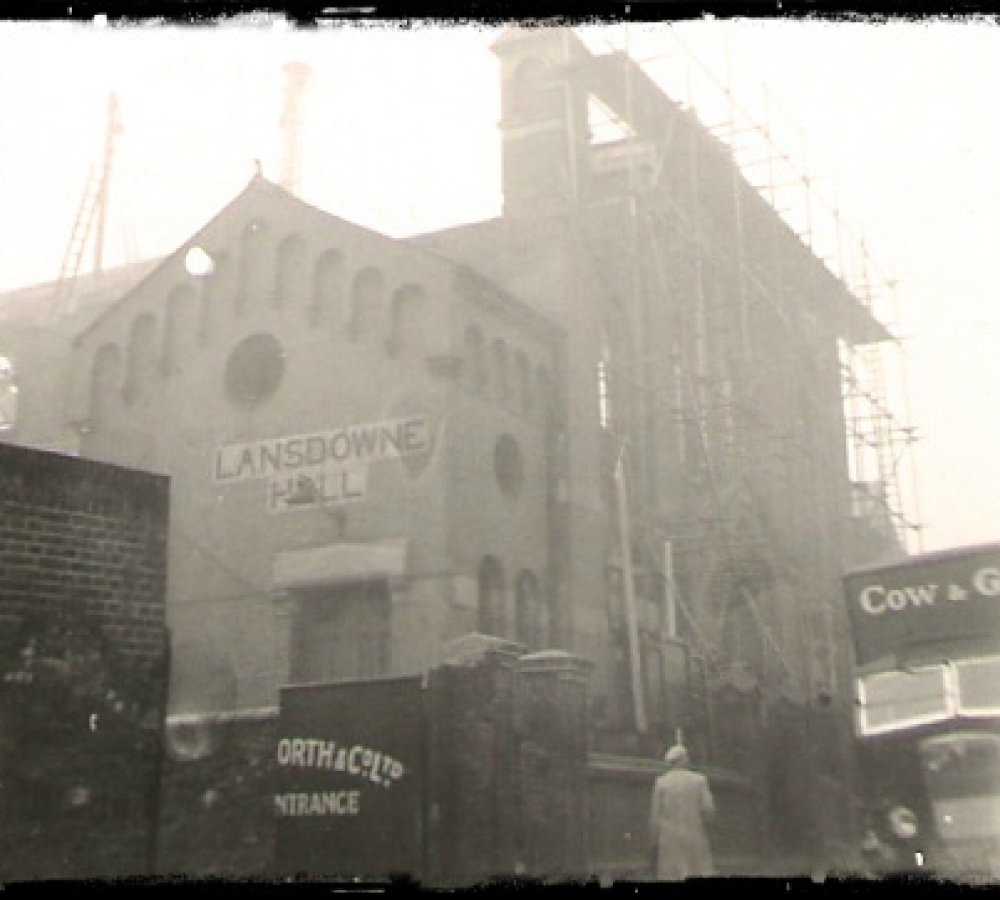
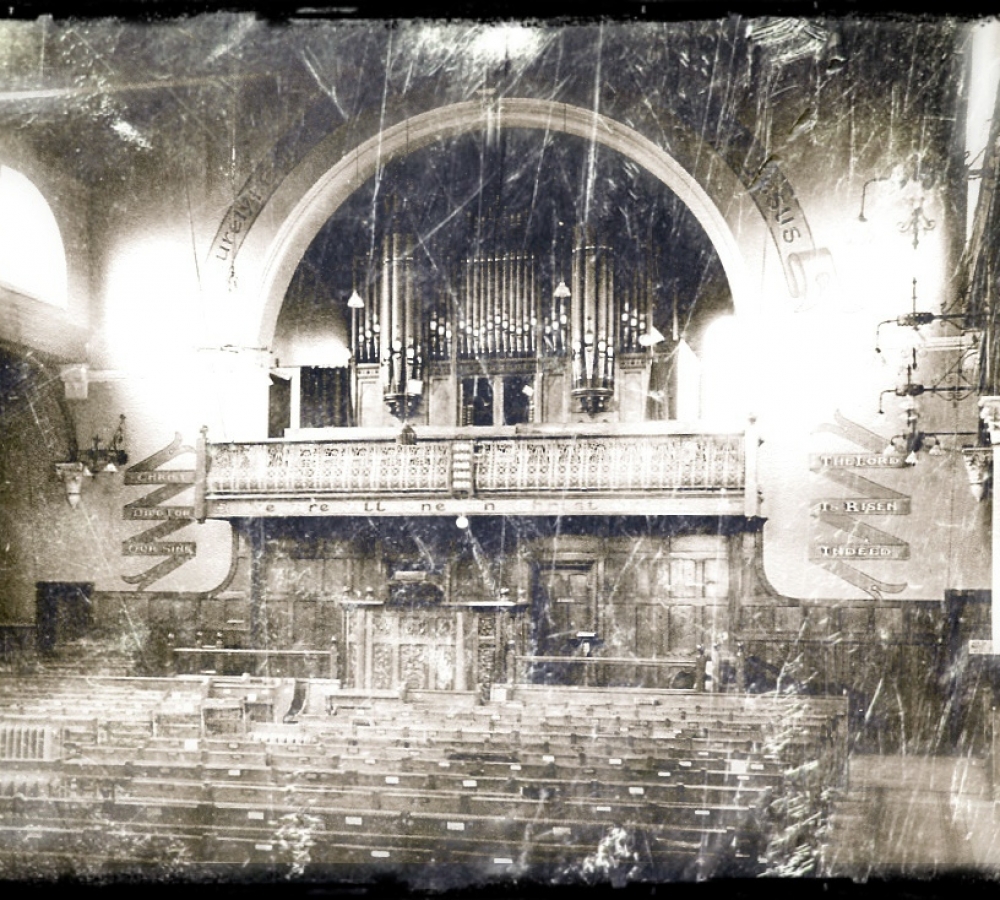
In 1897 additional land was bought for the Lecture Hall, now known as the Fuller Gooch Hall. By 1906 a thousand members had been enrolled, twelve of whom had answered God's call to the foreign mission field. A permanent building had become urgently needed, and on 7 March 1907 the building we know today, in its restored form, opened for public worship. Among those who took a leading part in the original opening services were Sir Robert Anderson, Dr. A. T. Pierson, Bishop Hasse of the Moravian Church, and the Vicar of Christ Church, North Brixton. During an air raid on the night of 25 March 1944 the main church building was destroyed by fire, leaving only the walls standing. It was restored and re-dedicated on 22 November 1952.


The Post-War Years
Fellowship with neighbouring churches has continued over the years, through combined prayer meetings and outreach events such as Christmas and Easter open-air gatherings. Lansdowne has always had a heart for mission, and over the years the Lord has sent out a number of missionaries from the church. We aim to support these members in prayer and in practical ways as they serve in various parts of the world. It is encouraging that many who began their ministry at Lansdowne remain in ministry, serving the Lord across the country. Alongside the FIEC Easter conference, groups of church members have attended Spring Harvest and Stoneleigh weeks for holiday fellowship and have been greatly blessed. From the 1990s onward there have been significant improvements to the buildings, including chairs replacing the old pews and changes to the worship area and foyer. A new kitchen and crèche, together with a completely refurbished Fuller Gooch Hall, have helped the church become more flexible in meeting the needs of members and visitors. We are encouraged to see a truly international fellowship at Lansdowne, with members and friends from all over the globe. We give God the glory for all He has done in the past and pray that He will continue to bless His work here in the future.
Pastors Who Have Served Lansdowne
- William Fuller Gooch (1892–1921)
- George Harper (1921–27)
- Charles Fisher (1929–40)
- Frederick A. Hart (1942–48)
- Theodore H. Bendor-Samuel (1949–55)
- Derek J. Prime (1957–69)
- Raymond Lawrence (1972–75)
- Derek Moore-Crispin (1978–88)
- Peter Cockrell (1992–2001)
- Peter Day (2003–continuing)
Copyright © 2019 Lansdowne Church. Church WordPress Theme by themehall.com
Church WordPress ThemeFrom its earliest prayer meeting to the present day, Lansdowne has sought to hold unity in essentials, liberty in non-essentials and charity in all things. Visitors are always welcome to explore this heritage in person and to join us as we continue to serve the community in West Norwood.